Tips On Controlling Nuisance Ducks And Geese
 Minnesota’s abundance of lakes and wetlands make the state an attractive habitat for waterfowl, such as ducks and geese, which make an aesthetic sight while nesting on your property can sometimes become an inconvenience. When this happens, Minnesota Wild Animal Management can offer effective strategies to deal with nuisance ducks and geese nesting there and ensure peaceful coexistence between you and these graceful birds.
Before taking any action, it’s essential to gain an understanding of duck and goose behavior and nesting patterns. Ducks and geese typically prefer nesting near water bodies such as lakes, ponds or artificial water
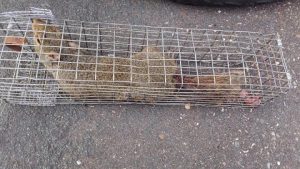 Minnesota Wild Animal Management’s services help ensure that we all enjoy peaceful coexistence in harmony. Through inspection, humane removal, prevention services and preventive maintenance measures they ensure both humans and wildlife continue to coexist harmoniously in Minnesota’s vibrant Twin City metro area.
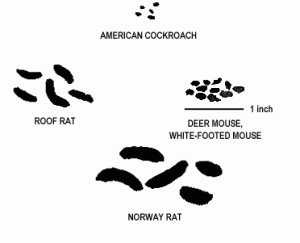 If an animal invades your home, it is likely that you will find animal droppings on your floors, in the kitchen, in the bathroom, attic, or garage. This is a very common sight and must be cleaned immediately to ensure your safety, that of your family, and the safety and well-being of your pets. Your attic is a common place where nuisance animals like squirrels and birds seek refuge in your home. The attic is a warm, enclosed space that’s away from humans. You should call a wildlife control service if you hear small animals rustling or pitter-pattering
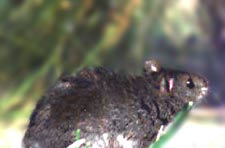 Rats are an unwelcome pest and should never be allowed to live with you. Not only can they cause destruction to your home, but also spread disease within it; no one wants to see their remains on their kitchen counters or smell the odors they carry. You may even discover damage to insulation, wiring or other structural elements of your house because of rats.
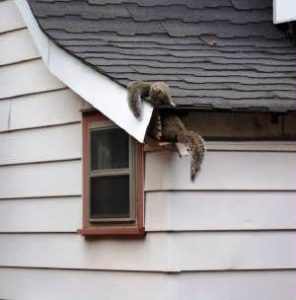 A home inspection is a crucial step in the home-buying process. It will let you know if there are any areas that need attention before closing the deal. The inspections typically include checking the heating and plumbing, as well as checking for mold or roof leaks. Typically, however, these inspections do not include checking for wildlife damage or whether any wildlife are living in the attic. Most home inspectors fail to spot signs of wildlife damage or entry points, which can pose a problem for homebuyers.
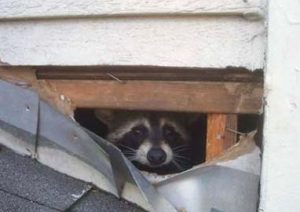 When a wild animal invades your home, they do not come through the front door or an open window. Most often, they find their way inside through an existing crack or hole, or they make their own way inside. Very often, wild animals leave damage at their point of entry but also where they nest or hide. Wild animals can chew through wiring, burrow under your foundation, nest in your walls or your vents, causing costly damage